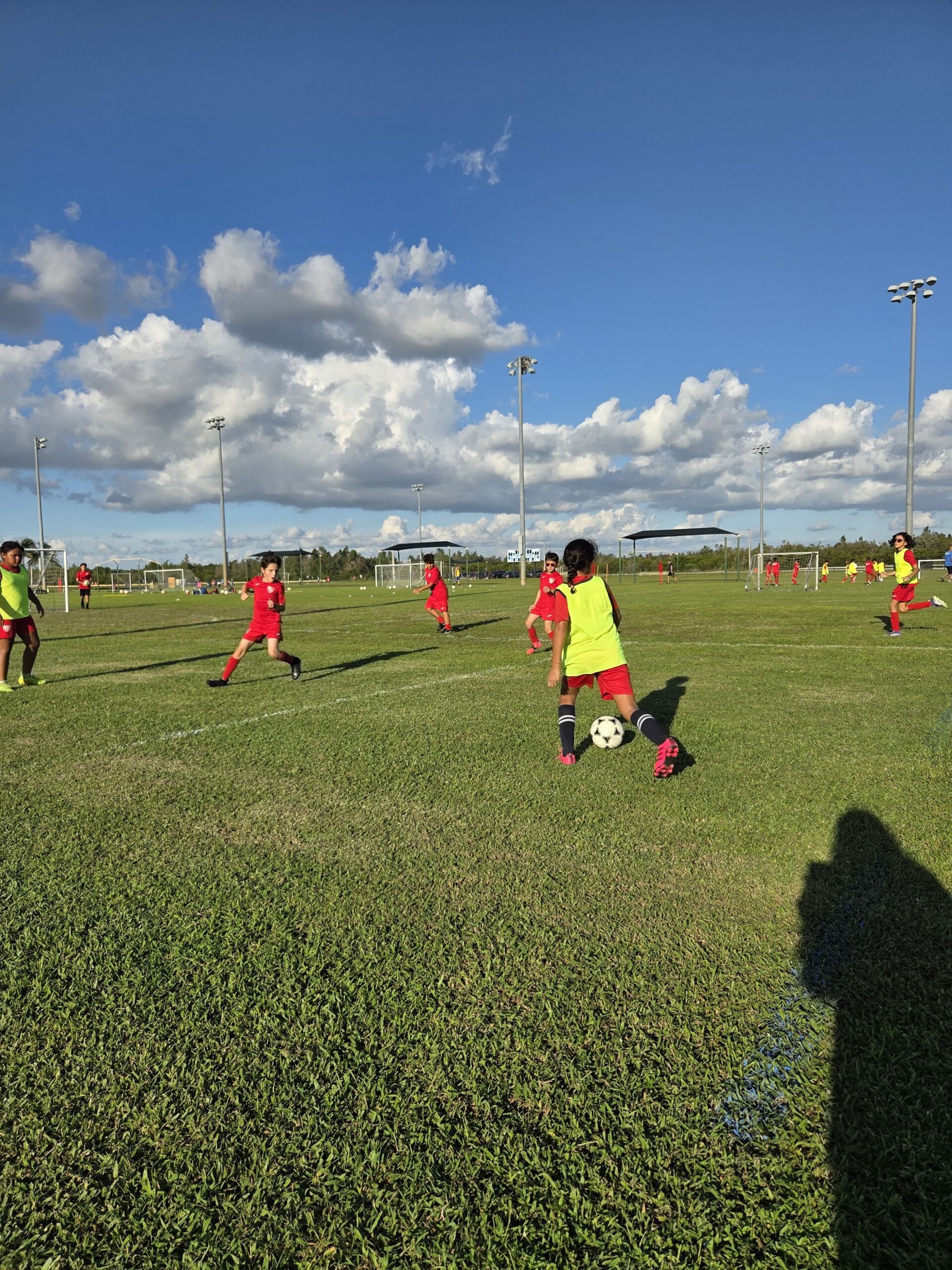
Fun First, Skills Later: Why 4–6 Year Olds Thrive in Recreational Soccer
A healthy, pressure-free approach to youth soccer development in Miami
“Should my child start learning real skills already?”
The short answer is: not yet—and that’s actually a good thing.
At this stage, the most important goal isn’t technical perfection or competition. It’s creating an environment where children feel excited, confident, and eager to play.
That’s exactly what recreational soccer programs are designed to do.
Why Ages 4–6 Are a Critical Window for Development
Between ages 4 and 6, children experience rapid growth in:
- Motor coordination
- Attention span
- Emotional regulation
- Social interaction
But they are still learning how to:
- Follow simple instructions
- Manage frustration
- Interact in group settings
That’s why structured, competitive environments can often do more harm than good.
Instead, play-based soccer programs provide the right balance between structure and freedom.
The Problem With Early Competitive Soccer
In many youth programs, there is pressure to:
- Win games
- Learn positions
- Follow rigid drills
- Compare performance
For young children, this can lead to:
- Frustration
- Anxiety
- Loss of interest
- Early burnout
In a city like Miami—where youth sports can become highly competitive early—choosing the right environment makes a huge difference.
Why Recreational Soccer Works Better
Recreational soccer focuses on experience over performance.
Instead of pressure, children get:
- Freedom to explore movement
- Simple, engaging games
- Encouragement instead of correction
- Equal participation
This allows kids to develop naturally, without fear of failure.
What Kids Actually Learn at This Age
Movement and Coordination
Running, stopping, kicking, and changing direction—all through fun activities.
Basic Ball Familiarity
Not drills, but playful interaction with the ball that builds comfort and confidence.
Listening and Following Directions
Through short, dynamic exercises that match their attention span.
Social Interaction
Learning to share, take turns, cooperate, and be part of a group.
These are life skills—not just soccer skills.
Why “Fun” Is Actually a Serious Strategy
Many parents underestimate the importance of fun.
But enjoyment is what drives:
- Consistency
- Motivation
- Long-term participation
Children who enjoy soccer at ages 4–6 are far more likely to continue playing as they grow and develop skills naturally over time.
Fun is not a distraction from development—it is the foundation of it.
What to Look for in a Miami Soccer Program (Ages 4–6)
Not all programs are created equal. The best ones for this age group will:
- Use play-based training methods
- Keep activities short and dynamic
- Avoid competitive pressure
- Focus on inclusion and participation
- Create a safe, positive environment
- Have coaches trained in early childhood development
In Miami’s diverse community, it’s also important that programs foster respect, inclusion, and communication.
Building Confidence Before Competition
Confidence is the most important “skill” a child can develop early on.
When kids feel safe, supported, and encouraged, they are more willing to try new things, take risks, and learn from mistakes.
This mindset becomes the foundation for future athletic and personal growth.
Start With the Right First Experience
If your child is just beginning their soccer journey, choosing the right environment matters more than anything else.
👉 Read more about how early experiences shape a child’s love for soccer in our guide:
Where Soccer Begins: How Play-Based Programs Help 4-Year-Olds Fall in Love With the Game
This article explains why starting with a fun, pressure-free approach is key to long-term development.
Our Approach: Development Through Joy
We believe that between ages 4 and 6, soccer should be:
- Playful
- Inclusive
- Pressure-free
- Developmentally appropriate
Our goal is not to create early competitors, but to help children enjoy movement, build confidence, and fall in love with the game.
Because when the experience is positive from the beginning, progress happens naturally—and passion lasts longer.